
The reels are a display, not the mechanism
Every licensed online slot decides its outcome the instant you press spin. A certified random number generator picks a result, and the reels then animate their way to showing it. Nothing you do during the animation — stopping the reels early, spinning faster, playing at a certain time — changes what was already decided.
UK-licensed casinos can only offer games whose RNGs have been tested by independent laboratories approved by the Gambling Commission. That testing is the real fairness guarantee, and it's the reason the licence check matters more than any review, including ours.
Paylines, ways-to-win and Megaways
A payline is a path across the reels along which matching symbols pay. Classic slots used a single horizontal line; modern video slots typically run 10 to 25 fixed lines, and the paytable inside each game shows exactly where they sit.
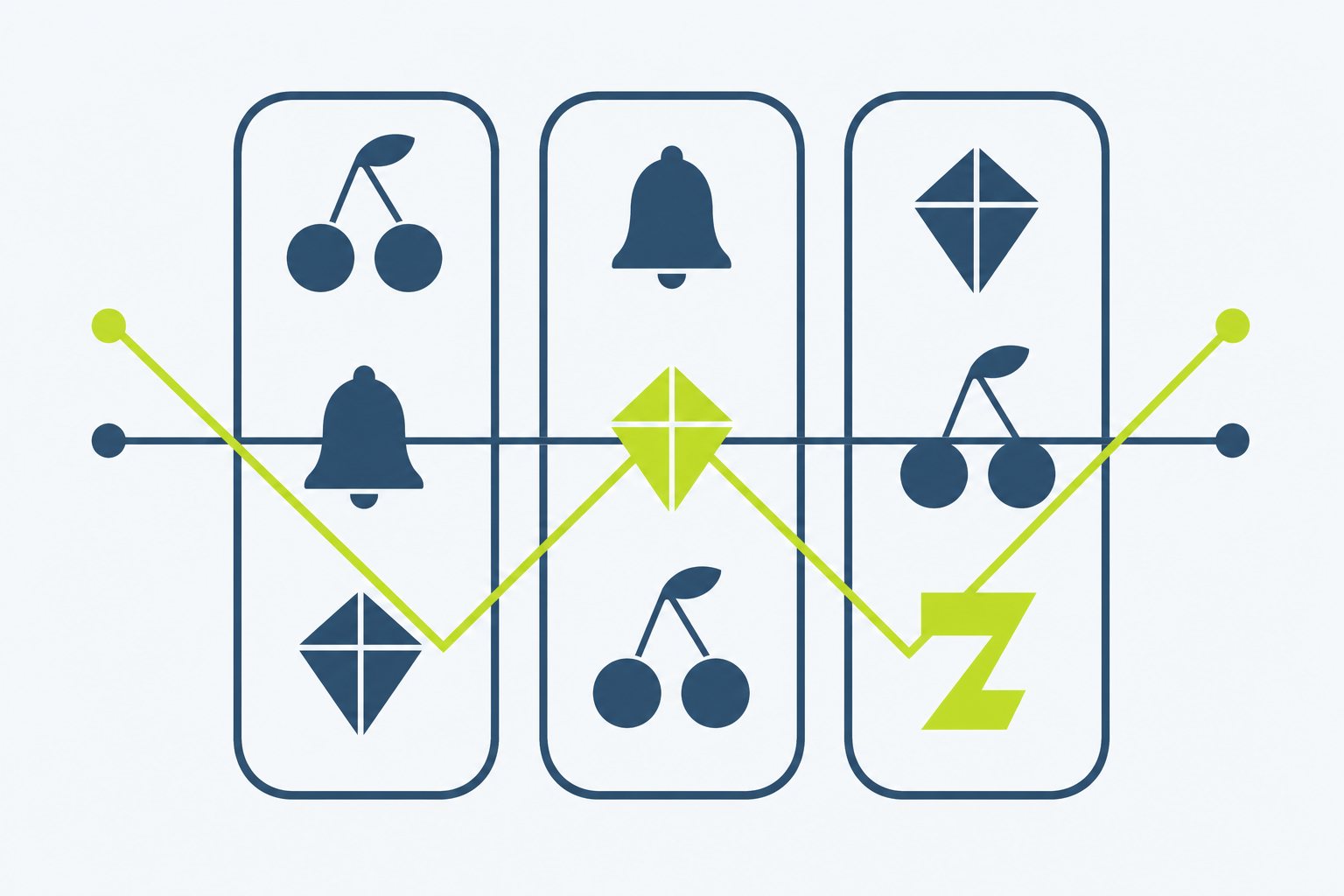
"Ways-to-win" games drop fixed lines entirely: matching symbols on adjacent reels pay regardless of position, which is where the familiar "243 ways" figure comes from on a five-reel, three-row grid. Big Time Gaming pushed the idea further with Megaways, where the number of symbols per reel changes every spin and the ways count can reach 117,649. The mechanic worked well enough that Big Time Gaming now licenses it to other studios, which is why you'll see Megaways versions of games from several different makers in the same lobby.
Cluster-pays games — a format Play'n GO and Pragmatic Play both use often — abandon lines in the other direction: symbols pay when enough of them land in a connected group. Cascading or "avalanche" reels, popularised by NetEnt's Gonzo's Quest, remove winning symbols and let new ones fall in, sometimes chaining several wins from one spin.
RTP: a long-run average, not a promise
Return to player is the percentage of total stakes a game pays back over millions of spins, by design. A 96% RTP slot keeps 4% on average — over a timescale no single session comes close to. In an evening you can land far above or far below that line, and both are the maths working normally, not the game running "hot" or "cold".
One detail worth knowing: some studios publish the same slot in several RTP versions, and the operator chooses which to run. The same title can return 96% at one casino and 94% at another. The game's information panel — the small "i" inside the slot — states the figure for the version you're actually playing, and it's worth the ten seconds it takes to look.
Volatility: same average, different ride
Two slots with identical RTP can feel completely different. Volatility describes how the returns are distributed: low-volatility games pay small amounts often, high-volatility games pay rarely but in bigger lumps.
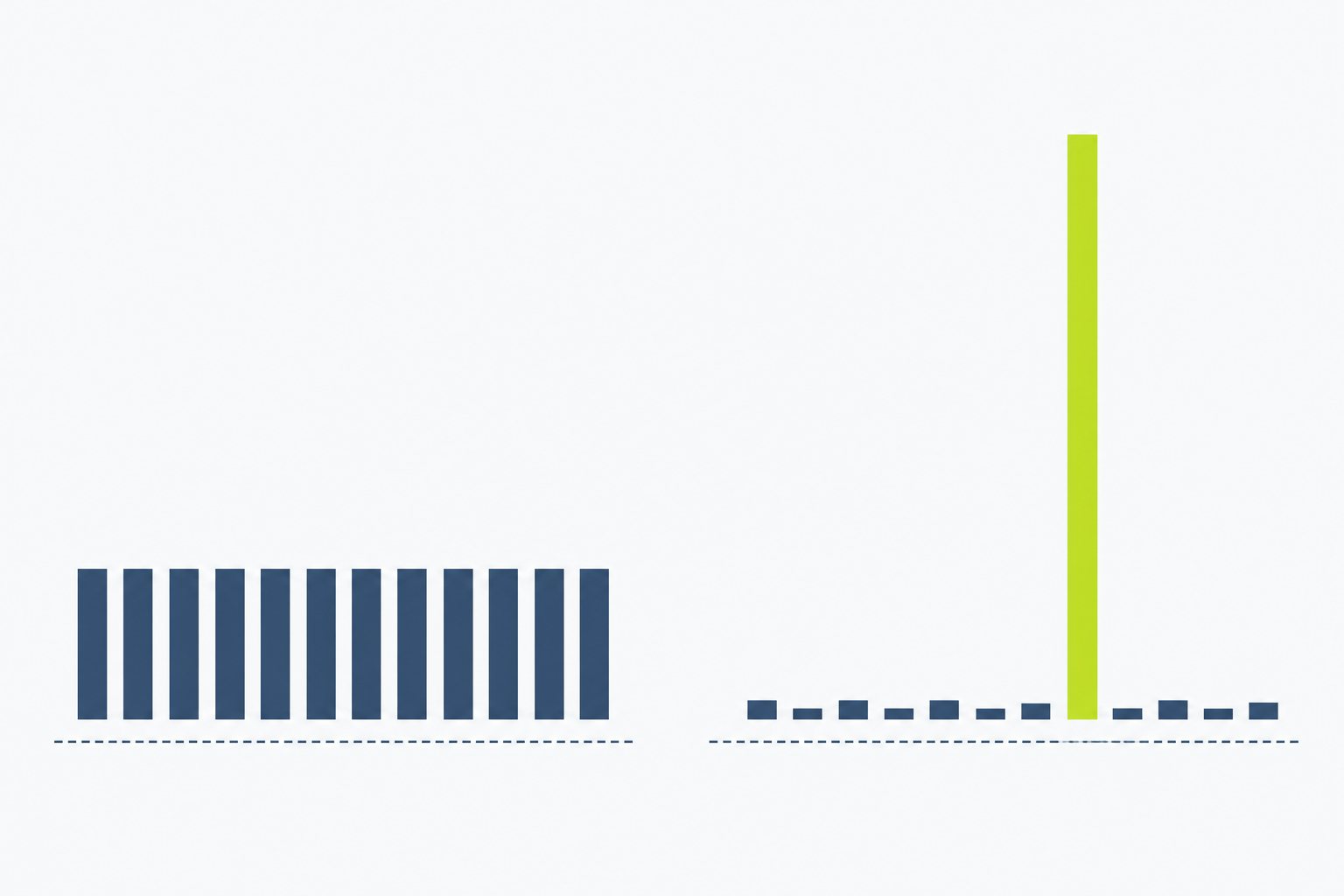
Neither is better; they suit different budgets and temperaments. High-volatility games burn through a balance faster between hits, so the practical advice is simple: if your session budget is modest, low or medium volatility keeps you playing longer for the same money. Most studios state a volatility rating in the game's info panel, and lobbies increasingly let you filter by it.
Themes change, mechanics repeat
Strip away the artwork and most slots are built from a small set of mechanics: free-spin rounds triggered by scatter symbols, expanding or sticky wilds, hold-and-respin features where special symbols lock in place, and buy-in bonus rounds where permitted. Once you recognise the mechanics, a new release from Pragmatic Play or Red Tiger takes about two spins to understand — the Egyptian theming is doing less work than the marketing suggests.
That's also the practical link back to our scorecards: because studios license their catalogues widely, the games themselves are rarely the differentiator between casinos. The mix, the RTP versions on offer and the quality of the surrounding experience are.